
A successful eCommerce website is not only a catalogue with a payment button. It is a guided buying experience that helps shoppers discover the right product, feel confident and complete checkout without friction.
Make product discovery effortless
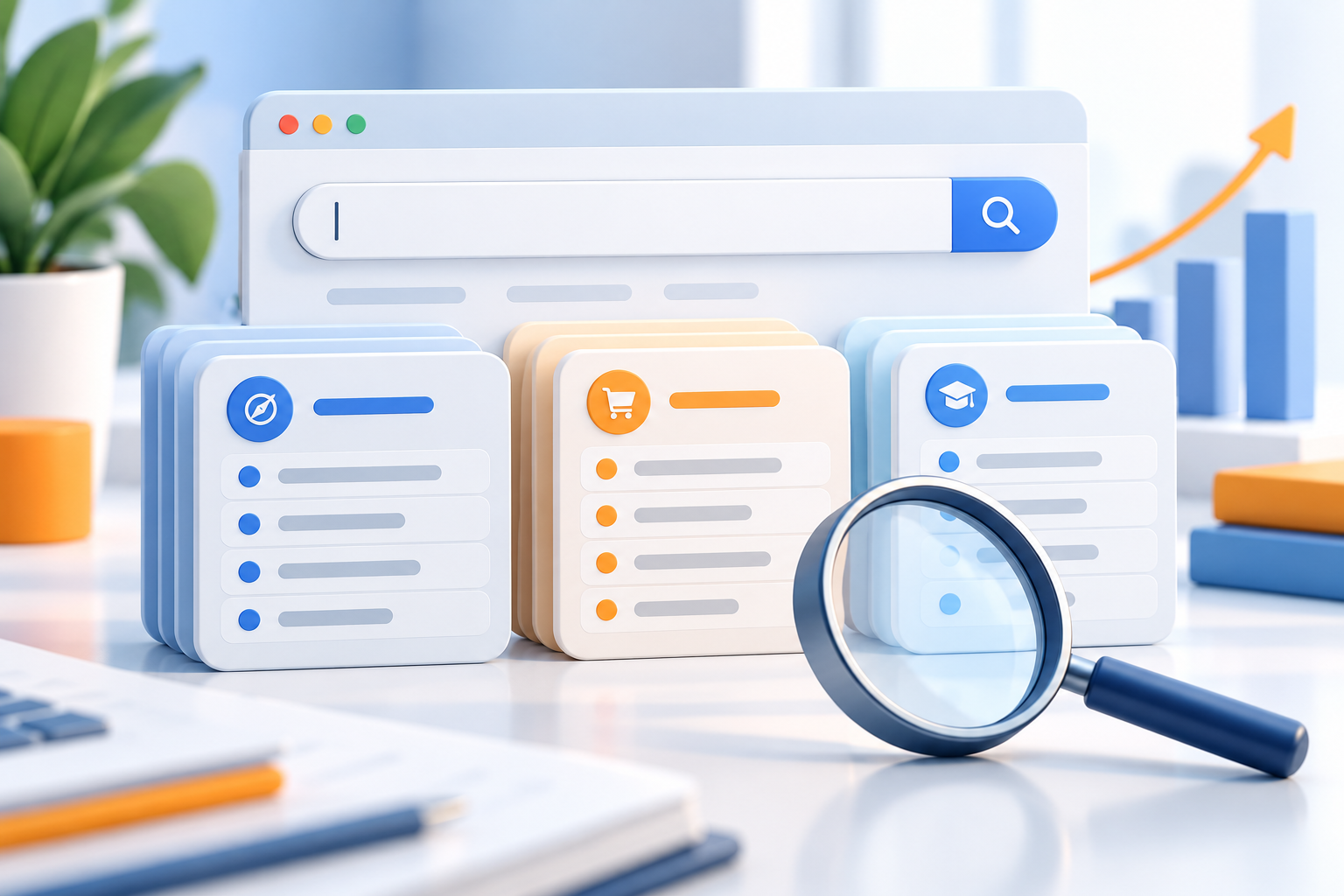
Organise products around the way customers shop: useful categories, clear filters, sensible search and comparison-friendly product pages. Keep important details—price, availability, variants, delivery and returns—visible before a buyer has to hunt for them.
Good product photography and concise, honest copy do the work of a helpful salesperson. Show the item from useful angles and explain who it is for.
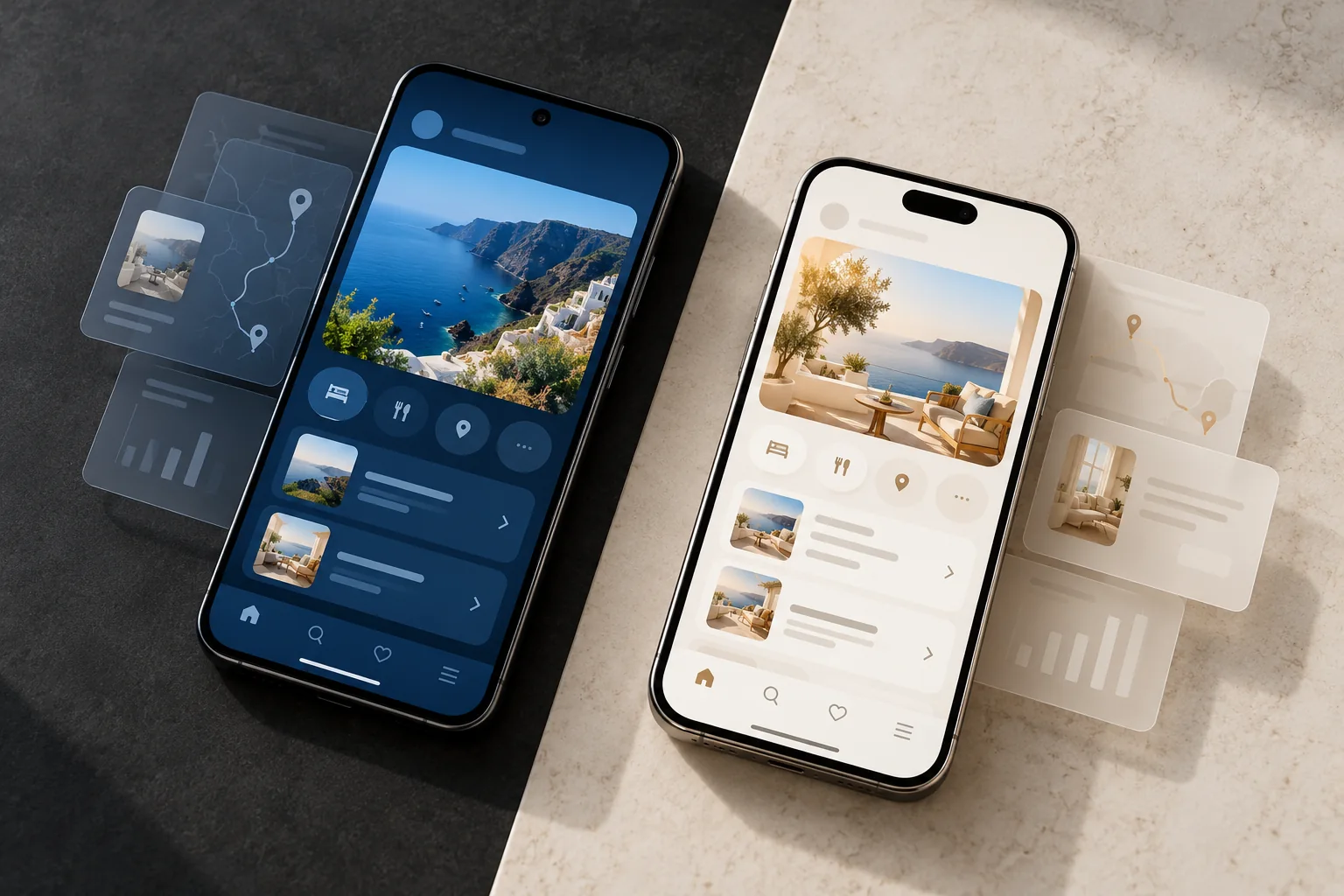
- Logical categories and mobile-friendly filters
- High-quality images with descriptive alt text
- Clear pricing, variants, stock and delivery information

Design for confidence at checkout
Checkout should feel calm and predictable. Keep the form short, show a complete order summary and communicate payment, shipping, exchange and refund policies in plain language.
Trust is also built through the details around the transaction: secure payment options, a responsive support channel, order confirmation and clear post-purchase updates.
- Guest checkout and familiar payment methods
- Visible security, returns and shipping information
- Helpful confirmation and order-status messages
Build a store that can grow
Choose a platform and architecture that match your catalogue, team and operations. Connect inventory, payments, shipping and analytics early so growth does not create manual work or unreliable data.
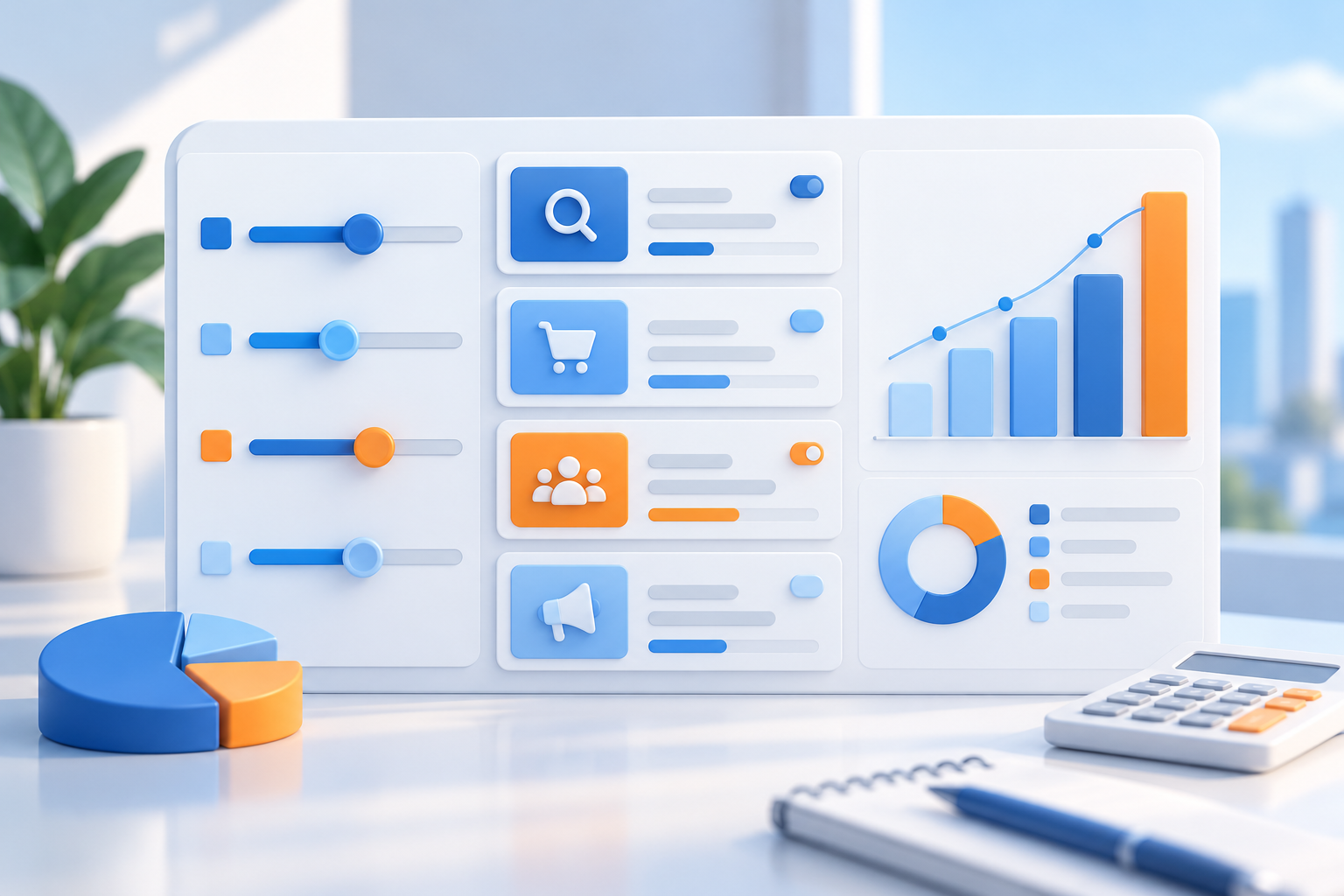
Review the funnel every month: landing page engagement, product views, add-to-cart rate, checkout completion and repeat purchase. Small improvements across that journey can create a meaningful lift in revenue.
- Reliable integrations for inventory and fulfilment
- Technical SEO and fast Core Web Vitals
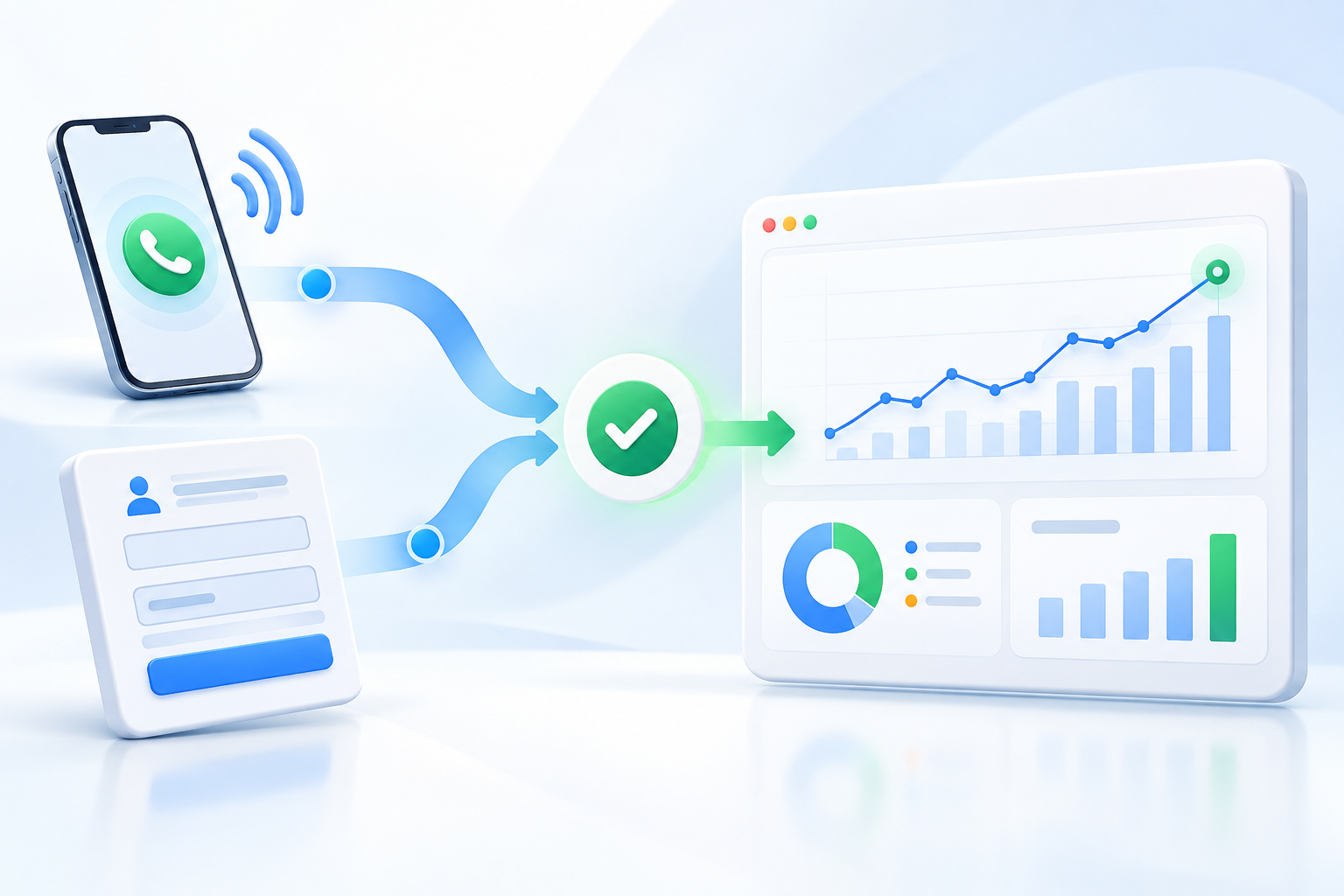
- Analytics that connect campaigns to completed orders
The strongest eCommerce websites make buying feel simple while giving the business a dependable operating system underneath. Start with your customers, remove friction at each step and keep improving with evidence.