
On-page SEO helps a page communicate its subject clearly to both visitors and search engines. The work is not about inserting the same keyword repeatedly. A useful service page explains the offer, answers likely questions, connects to relevant information and makes the next action clear. Use this checklist to improve one priority page at a time.
Make the title and opening specific
Write a page title that describes the actual service and, when useful, its location. Keep the main heading clear and distinct from nearby pages. The first paragraph should quickly confirm what the visitor can learn or do here, rather than delaying the answer behind a generic slogan.
Think about the reason someone searched. A person comparing an SEO company in Patna may need to understand services, process, reporting and expectations. Make those details visible, but do not promise a ranking or outcome the business cannot guarantee.
- Use one clear, descriptive main heading
- Write a concise title for the page topic
- Answer the visitor’s first question near the top
Structure content so it is easy to scan
Organise information with meaningful subheadings, short paragraphs and lists where they genuinely help. Explain what is included, who the service suits, what the process involves and what affects scope or timing. Original detail is more valuable than copying a competitor’s structure or padding a page with repeated keyword phrases.
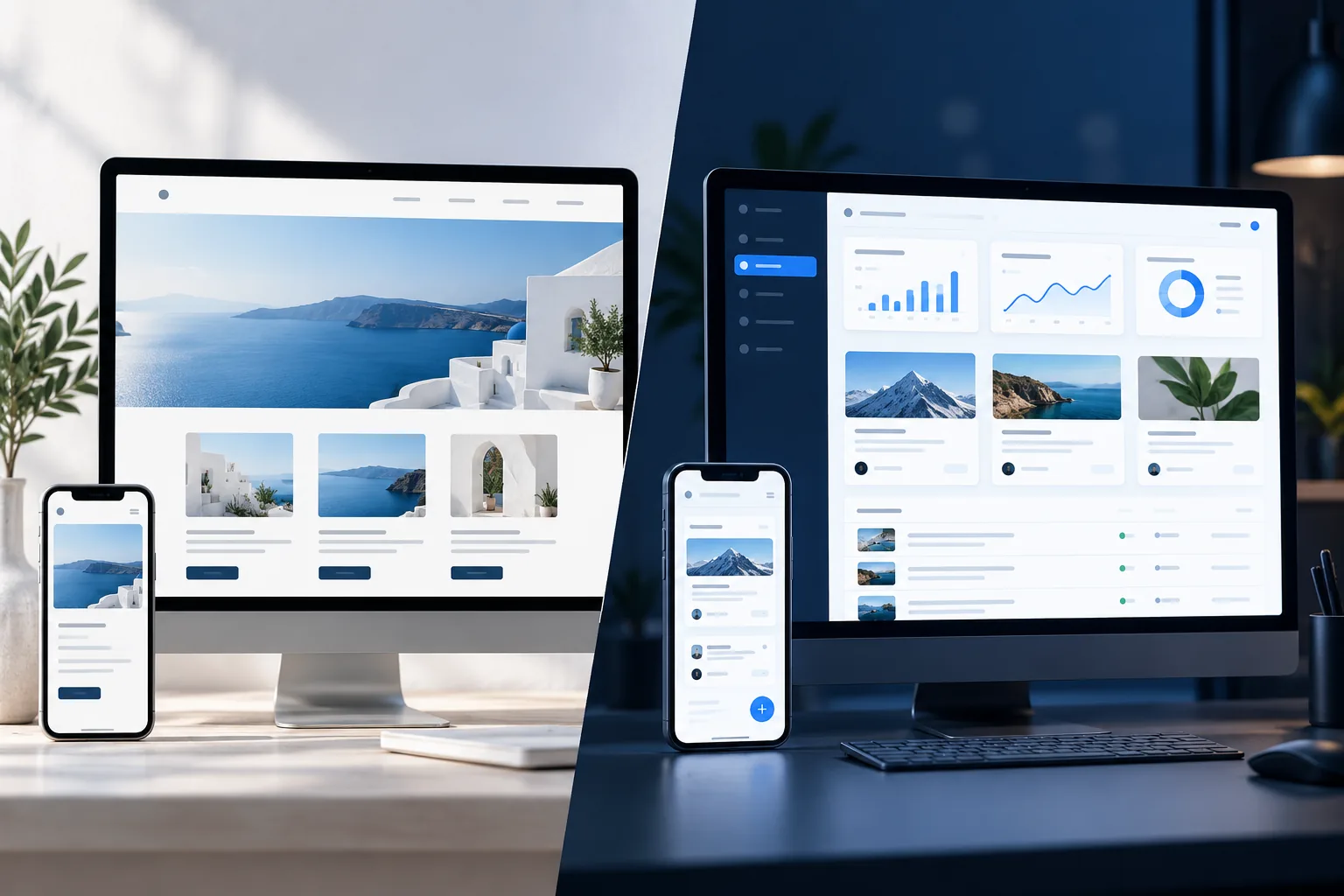
Add accurate image descriptions and compress image files before upload. Check how the page reads on a phone, where a visitor may be scanning for a price detail, service area, case study or contact option.
- Group related questions under descriptive headings
- Add original examples and practical details
- Use descriptive image alt text and sensible file sizes
Connect related pages and review the experience
Link to related services, useful guides and contact options using labels that tell a reader where the link goes. Internal links help visitors continue their research and help search engines discover related content. Remove orphan pages and avoid linking every phrase just to add more links.
After publishing, check the page title, canonical URL, mobile rendering, links and analytics events. Review search impressions and relevant enquiries after enough time has passed to see a trend. Search Engine Optimization is iterative, so make changes from observed needs rather than reacting to every short-term fluctuation.
- Link to genuinely related pages
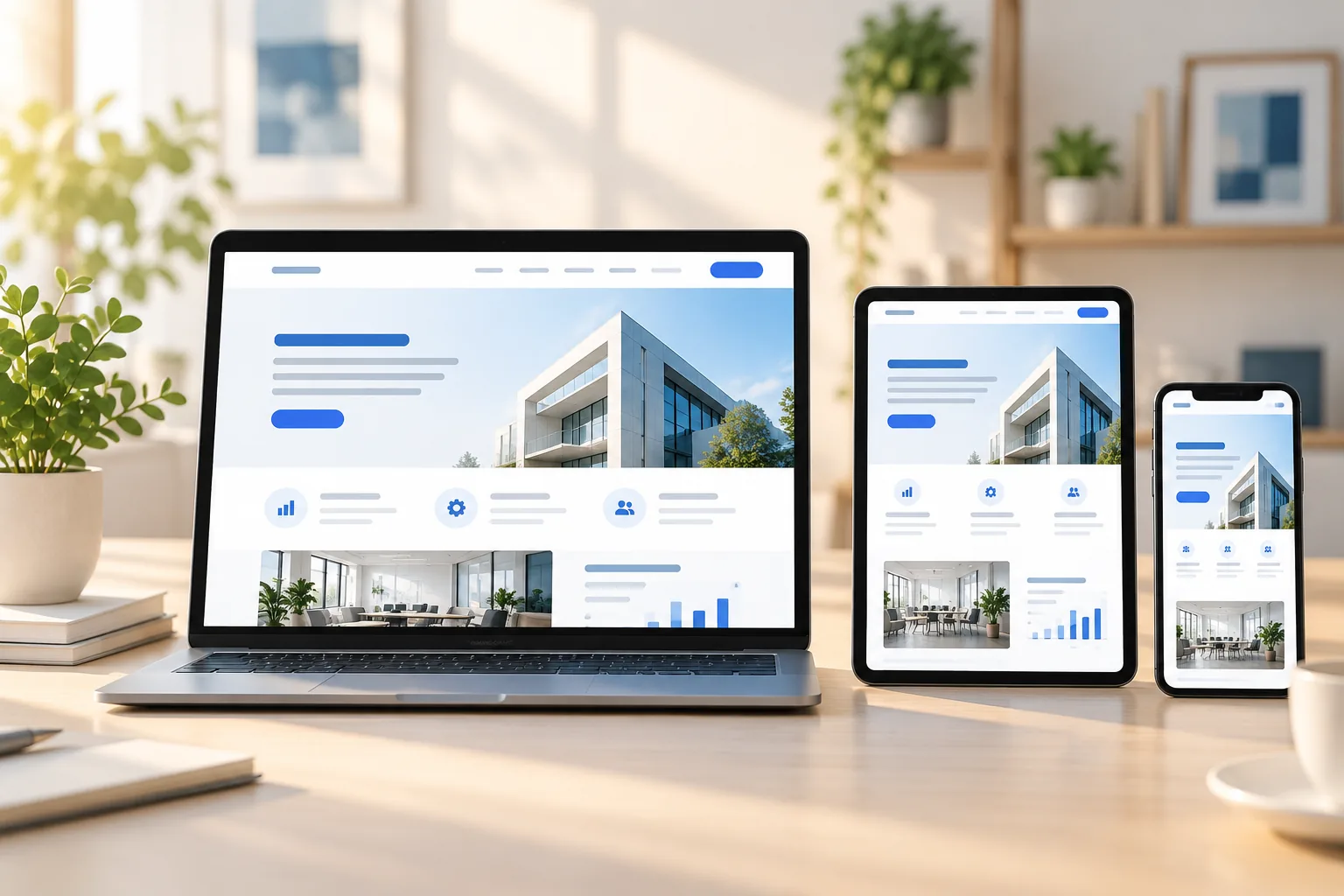
- Test the page on desktop and mobile
- Review impressions and enquiry quality over time
The strongest on-page SEO makes a page more useful, not merely more optimised-looking. Keep each page focused, answer the questions customers bring and refine the experience as you learn how visitors use it.