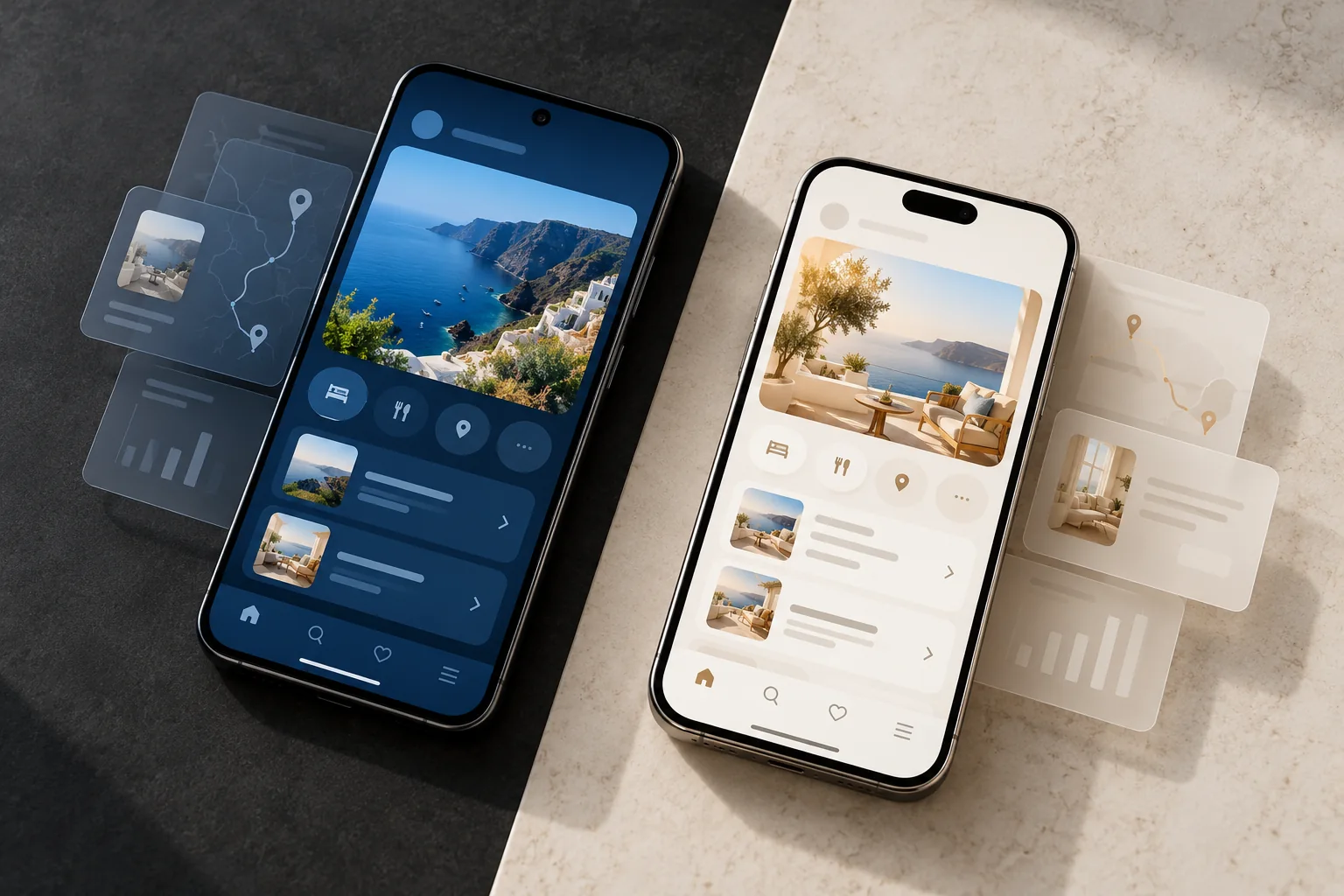

Choosing between a static and dynamic website is less about which technology sounds newer and more about how your organisation needs to publish information. The right website developer will look at your content, update frequency, integrations and budget before recommending an approach.
When a static website is a good fit
A static website serves prepared pages directly to visitors. It can suit a small business site, a focused campaign page or an informational website whose content changes occasionally. With fewer moving parts, it can be straightforward to host, quick to load and easy to keep focused.
Static does not mean unfinished or inflexible. A well-planned static website can have polished responsive design, clear service information, accessible navigation and enquiry forms connected to suitable tools. If edits are rare and handled by a developer, a lean static build may be all your business needs.
- A compact set of stable information pages
- Infrequent content changes
- A simple, fast experience without a complex admin system
When a dynamic website helps
A dynamic website assembles or updates content using a content management system, database or application logic. It is useful when your team publishes news, updates services regularly, manages many pages or needs features such as member accounts, searchable listings and connected data.
That flexibility comes with decisions about access, maintenance, security and backups. A Dynamic Website Developer should explain who will update the content, how the system will be maintained and which integrations are essential. Keep the editing experience simple enough that staff can use it confidently.
- Frequently updated services, articles or listings
- Several staff members publishing content
- Custom forms, dashboards or third-party integrations
Choose based on the work your site must do
Write down what needs to change, who will make those updates and how often they happen. Then identify any information that must be stored or shared with other systems. This gives a Website Development Company in Patna a clearer basis for recommending a static, CMS-based or custom dynamic build.
The best choice is the simplest architecture that serves your real needs and can support planned growth. You can begin with a focused version and add features when customer feedback or daily operations show they are valuable.
- Match the platform to your team’s publishing habits
- Account for maintenance and security, not just launch day
- Avoid adding a database or feature without a clear purpose
A static or dynamic website can both look polished and work well. Choose by considering how the content changes, what visitors need to do and who will maintain the site after launch.