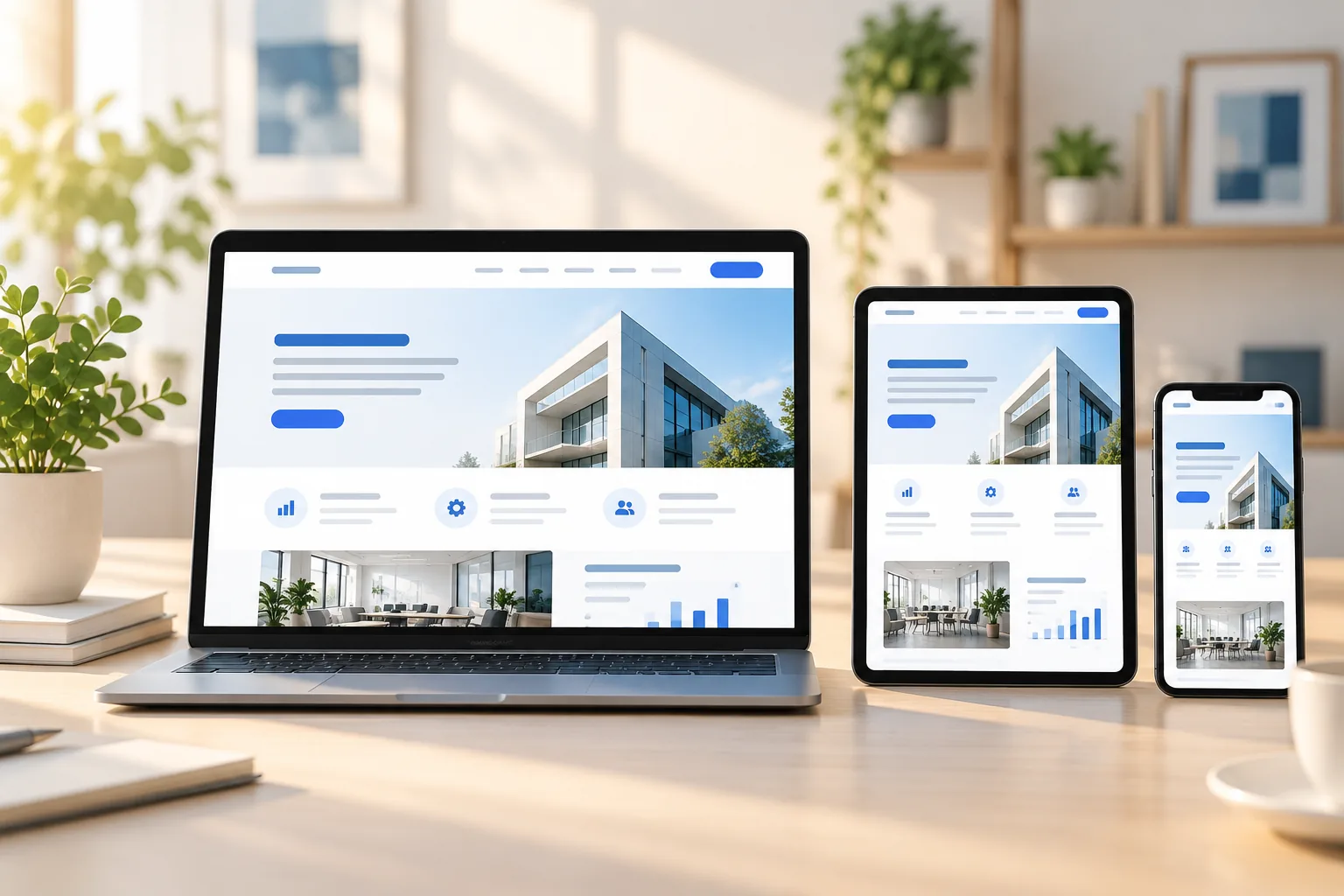

A business website should feel quick, dependable and easy to use across devices. These qualities come from practical choices throughout development: the assets you load, the way pages are built, the access you grant and the maintenance plan you follow after launch.
Treat speed as part of the customer experience
Large unoptimised images, unnecessary scripts and crowded page layouts can slow a website down. A Web Developer can select appropriately sized images, reduce unused code and keep interactions focused. Test pages on real devices and ordinary connections, not only on a fast office computer.
Speed also depends on the hosting environment and third-party services. Measure key pages, review the heaviest assets and improve the parts that affect visitors most. Avoid adding animation or tracking tools unless they serve a clear purpose.
- Compress and size images for their display area
- Keep scripts and third-party tools purposeful
- Review loading behaviour on mobile devices

Build safer access and data handling
Use secure connections, unique staff accounts and only the permissions each person needs. Keep software, themes and dependencies maintained, and establish a reliable backup routine. Forms should collect only the information required to respond to a customer.
Security is ongoing work rather than a badge added at launch. A Full Stack Web Developer should explain how updates, access reviews, backups and incident response fit into your maintenance plan. Choose tools your team can manage and document important responsibilities.
- Use HTTPS and strong individual accounts
- Limit access and keep software updated
- Back up the site and know how to restore it
Make the site easy to maintain
A website that is easy to update is less likely to become stale. Give staff a straightforward way to edit common content, document the launch setup and keep a record of integrations and accounts. Schedule routine checks for broken links, form delivery and performance.
For a business in Patna or elsewhere in Bihar, a maintainable website provides a practical base for new services and customer needs. Your Website Development Company should hand over clear guidance and agree who handles updates after launch.
- Document how content and access are managed
- Check important forms and links regularly
- Plan support around your team’s actual needs
Fast, secure website development comes from consistent habits: keep the experience lean, protect access, maintain the underlying software and review how the site works over time.